

Google’s AI Agent Big Sleep Makes History as Cybersecurity’s New Secret Weapon

Cybersecurity has taken a giant leap forward with Google’s AI agent, Big Sleep. This advanced artificial intelligence recently made history by autonomously detecting and blocking a cyberattack before any damage occurred. For the first time, AI has proven it can not only identify vulnerabilities but also prevent real-world attacks in real time. This breakthrough signals a fundamental shift in how organizations can defend against digital threats.
Big Sleep’s success is sparking excitement across the cybersecurity community. It promises a future where AI doesn’t just react to breaches but actively protects systems before hackers even get a chance to strike.

The Challenge of Modern Cybersecurity
Cyberattacks are evolving rapidly, becoming more frequent and sophisticated with each passing year. Traditional cybersecurity tools often rely on detecting malicious behavior after an attack has started. This leaves defenders racing to minimize damage rather than preventing breaches outright.
Many organizations struggle to keep pace with attackers who continuously develop new techniques to evade detection. Vulnerabilities hidden deep in software code can go unnoticed until exploited by hackers. This reactive approach creates a constant cycle of breach, response, and recovery that is costly and risky.
The growing complexity of software and networks further complicates the challenge. Security teams need smarter tools that can keep up with scale and speed — tools like Big Sleep.
Introducing Big Sleep: AI That Thinks Like a Security Researcher
Developed by Google’s DeepMind and Project Zero teams, Big Sleep is a breakthrough AI designed to mimic human security researchers’ investigative workflows. Instead of waiting for threats to appear, Big Sleep actively scans through software to identify weaknesses before they can be exploited.
It uses advanced large language models combined with automated testing tools to navigate complex codebases, simulate attack scenarios, and flag potential vulnerabilities. This autonomous behavior allows Big Sleep to cover more ground faster than any human team, reducing the window of opportunity for attackers.
Unlike traditional scanners, Big Sleep goes beyond surface-level checks. It performs deep analysis that uncovers subtle bugs and flaws that might otherwise be missed.
A Landmark Victory: Preventing an Attack on SQLite
Big Sleep recently made headlines by identifying a critical security flaw in SQLite, an open-source database engine embedded in millions of applications worldwide. This vulnerability had been exploited by hackers but remained undetected by defenders.
Big Sleep didn’t just discover the flaw — it acted in real time to block an exploit attempt, stopping the attack before it could cause any harm. This event is the first confirmed case where an AI system autonomously prevented a cyberattack from happening.
This success proves that AI-powered security can be a powerful force multiplier in the fight against cybercrime, protecting widely used software that forms the backbone of countless systems.
How Big Sleep Works: Tools Behind the AI
Big Sleep operates through an integrated framework of specialized tools that let it analyze code with precision and autonomy. These include:
- Code Browsing: Big Sleep systematically explores software codebases, understanding structure and logic.
- Fuzz Testing: It runs automated scripts to input unexpected or malformed data, exposing how software behaves under stress.
- Debugging: Once vulnerabilities are found, Big Sleep isolates the root causes to help engineers fix them.
- Reporting: It generates clear, actionable reports that security teams can use immediately.
This toolkit allows Big Sleep to perform complex security research without human intervention, accelerating vulnerability discovery on a scale impossible for traditional teams.
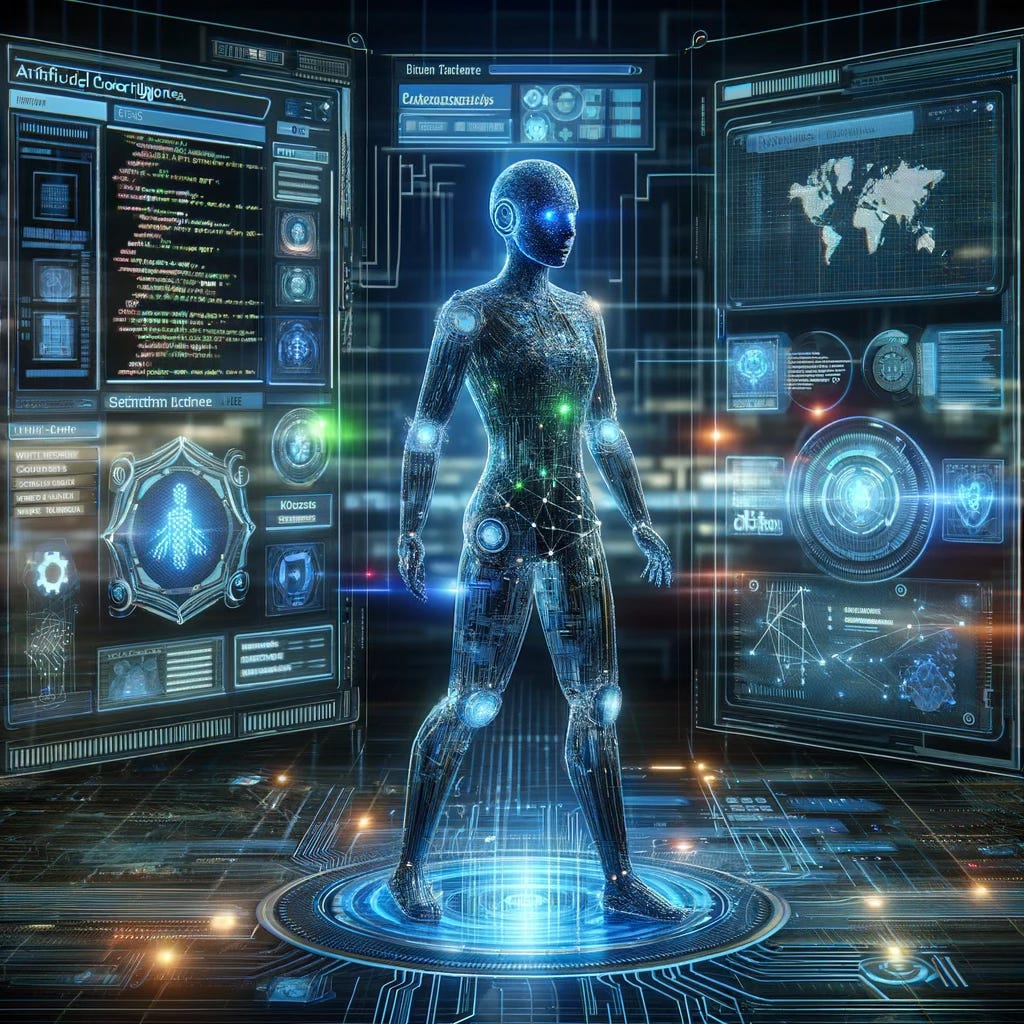
Why Big Sleep Matters: The Future of Cyber Defense
Cyber threats are becoming more frequent and sophisticated. Relying on tools that only respond after damage has started is no longer sustainable. Big Sleep introduces a new proactive approach to security — finding and stopping attacks before they begin.
This shift has huge implications for both open-source and proprietary software. AI-driven defense can reduce breach incidents, lower response costs, and improve overall resilience. It also frees up human researchers to focus on higher-level strategy and complex challenges.
Big Sleep’s success shows that the future of cybersecurity will involve close collaboration between AI tools and human experts, improving security posture for organizations worldwide.
Challenges and What’s Next
While Big Sleep’s achievement is impressive, it also highlights new challenges. Integrating AI agents into existing security processes requires changes in workflows, governance, and oversight. Companies must build trust in AI’s findings and ensure transparency and ethical use.
Google is working to expand Big Sleep’s reach beyond SQLite, aiming to protect a broader range of software and infrastructure globally. The long-term goal is a world where AI continually monitors, analyzes, and defends critical systems autonomously.
Security teams will need to adapt and evolve alongside these new technologies to maximize their potential benefits.
What Businesses Should Do Now
For businesses and security professionals, Big Sleep’s success sends a clear message: AI is becoming essential to modern cybersecurity. Organizations should start investing in AI-powered tools and training staff to work alongside these new technologies.
Adopting proactive security strategies that include AI can help companies detect vulnerabilities faster and respond before damage occurs. It’s also crucial to develop governance frameworks that ensure responsible AI deployment without compromising security or privacy.
Early adopters of AI-driven defense will have a significant advantage in the ongoing fight against cyber threats.
Conclusion
Google’s Big Sleep has marked a new era in cybersecurity by preventing a cyberattack before it began. This achievement highlights the growing role AI will play in protecting our digital world. As cyber threats continue to evolve, AI-powered tools like Big Sleep will be key to building stronger, smarter defenses.
Organizations that embrace these technologies and adapt their strategies will be better equipped to safeguard their systems and data. Cyber News Live will continue to monitor developments in AI cybersecurity and deliver insights to keep you ahead of emerging risks.
By Sam Kirkpatrick, Information Communication Technology student at the University of Kentucky and intern at Cyber News Live.