
Eftsure Brings Australia’s Finance and Cybersecurity Leaders Together to Tackle the Future of Financial Crime

On The Defense 2026 summit explores payment fraud, AI and why financial security is becoming a business-wide responsibility.
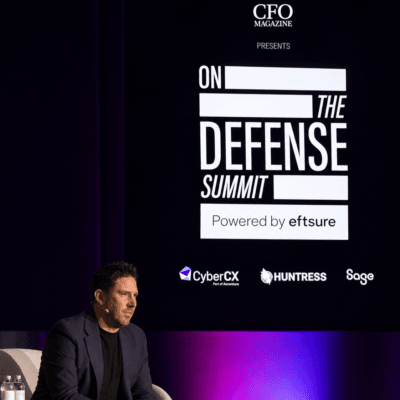
Global payment fraud prevention platform Eftsure brought finance, cybersecurity and business leaders together at its On The Defense 2026 summit in Sydney. The event examined ways to strengthen financial controls and respond to changing payment fraud threats. Discussions also covered AI adoption, economic uncertainty and the growing responsibility businesses face in managing financial crime.
The one-day summit took place at Ilumina in Sydney and featured more than 20 speakers. Attendees included CFOs, financial controllers, cybersecurity specialists and senior finance executives. Together, they explored the challenges shaping financial security and the need for stronger cooperation across business teams.
Eftsure Calls for Greater Financial Security Accountability
“The people looking to divert payments, impersonate suppliers, or exploit internal processes are becoming more sophisticated, and AI is only accelerating that shift. What makes businesses vulnerable is often not a lack of technology, but gaps between the people, processes and systems responsible for moving money,” said Jon Soldan, Global CEO at Eftsure.
“Finance leaders need to be thinking beyond whether a payment looks legitimate and asking whether the person or account receiving it has actually been verified. That requires a more connected approach to financial security, with accountability extending across the entire organisation, not just the IT department.”
Eftsure Research Highlights Financial Fraud Risks
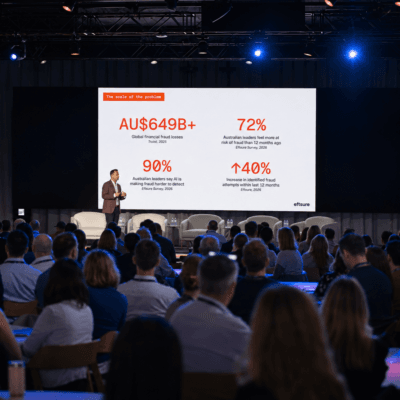
Eftsure’s 2026 research into Australians’ experiences with fraud attempts highlights the challenges facing finance teams. According to the research, 52% have experienced a financial fraud attempt in the past 12 months. Meanwhile, 61% don’t feel fully prepared to spot modern scams.
These findings formed part of the wider discussion about financial security and the changing nature of fraud.
Finance Leaders Discuss Payment Fraud and AI
The summit brought together representatives from financial services, technology, law enforcement and cybersecurity. Organisations included Mastercard, NSW Police, Westpac, Commonwealth Bank, NAB, Accenture, EY, CyberCX and CrowdStrike.
Discussions examined financial crime and how economic conditions influence business exposure to fraud. Mastercard Vice President and Economist Katrina Ell explored the financial and economic landscape heading into 2027.
Meanwhile, a panel of finance leaders discussed the pressures facing organisations. Topics included fraud, cyber risks, cyber insurance, technology integration and the emergence of AI.
Cybercrime and Financial Crime Require Closer Collaboration
Cybersecurity specialists examined the growing overlap between cybercrime and financial crime. They also discussed the threats concerning the industry and the need for closer cooperation between finance and security teams.
The discussions highlighted how payment security involves more than technology alone. Instead, businesses must consider the people, processes, and systems responsible for moving money.
Financial Crime and Cybersecurity: What Comes Next?
On The Defense 2026 highlighted the growing overlap between financial crime, cybersecurity, and AI. As criminals develop more sophisticated ways to impersonate suppliers and redirect payments, businesses face pressure to strengthen financial controls.
For finance leaders, the issue extends beyond checking whether a payment appears legitimate. They must also consider whether the intended recipient has been verified. Therefore, closer cooperation between finance and cybersecurity teams remains an important part of protecting business payments.
As organisations head into 2027, payment verification, AI adoption and changing financial crime threats remain key areas to watch.