
Industry Expert Warns of Old Computers and E-Waste Risk

E-waste risks are growing across Australia as millions of old laptops, mobile phones, printers and electronic devices sit unused in homes and businesses. Experts warn these forgotten devices can expose sensitive data, create compliance problems and contribute to environmental damage when people dispose of them incorrectly.
According to Secure Waste Solutions, a growing volume of electronic waste ends up in household bins, hard rubbish collections and landfill sites despite containing valuable materials, hazardous components and, in many cases, sensitive personal or business data.
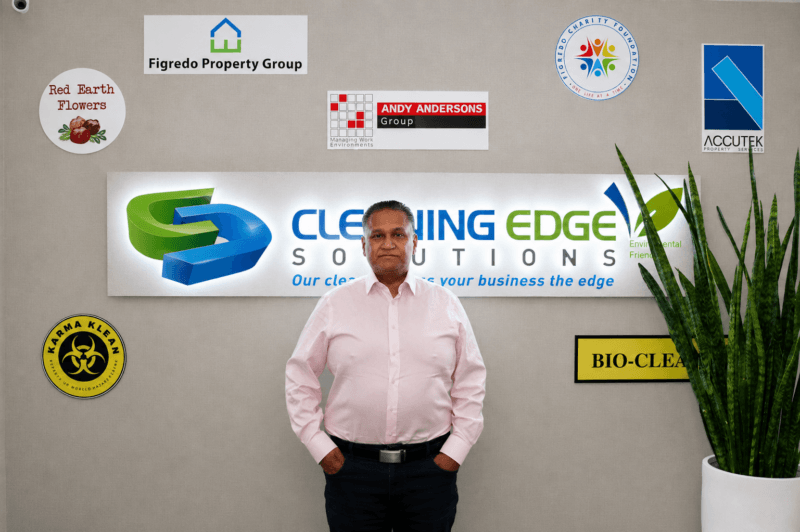
Clayburn Figredo, Group CEO of Cleaning Edge Solutions, which includes Secure Waste Solutions, said Australia faces an escalating e-waste problem driven by rapid technology upgrades and a throwaway culture.
“People see old electronics as rubbish when in reality they are anything but,” Figredo said.
“Many electronic devices contain valuable resources, hazardous materials and potentially years of personal or commercial information. Throwing them in the bin can create serious environmental, security and compliance risks.”
E-Waste Risks: Devices Australians Should Never Throw Away
Figredo said many Australians remain unaware of what qualifies as e-waste.
“We are talking about computers, laptops, mobile phones, servers, hard drives, tablets, printers, photocopiers, networking equipment, batteries, televisions, monitors, chargers, cables and even small office appliances,” Clayburn said.
“Every one of these items requires proper handling and disposal.”
He said the problem becomes even more significant when businesses replace technology infrastructure.
“Many organisations spend significant amounts on cybersecurity yet unknowingly throw old devices away without considering what data may still be stored on them,” Clayburn said.
Data Security E-Waste Risks Hidden Inside Old Devices
One of the biggest e-waste risks involves data exposure.
Figredo said many discarded devices still contain recoverable information.
“People assume deleting files is enough. It isn’t,” Clayburn said.
“Hard drives, mobile phones, servers and storage devices can retain sensitive information long after users believe it has been removed.”
Discarded equipment may contain customer records, financial information, passwords, emails, photographs, contracts and confidential business data.
“We are seeing businesses invest heavily in protecting information online while potentially exposing themselves through improper disposal of physical devices,” Clayburn said.
Environmental E-Waste Risks Continue to Grow
Figredo said e-waste remains one of the fastest-growing waste streams in the world.
“When electronic devices end up in landfill, valuable materials are lost and harmful substances can potentially enter the environment,” Clayburn said.
“Many products contain metals, plastics, glass and components that can be recovered, recycled and reintroduced into manufacturing supply chains.”
He added that batteries and certain electronic components create additional environmental risks when people fail to manage them correctly.
“The environmental cost of throwing these materials away is enormous when viable recycling pathways already exist,” Clayburn added.
Why E-Waste Recycling Creates Urban Mines
Figredo describes discarded electronics as modern-day urban mines.
“People don’t realise how much value sits inside old devices,” Clayburn said.
“Electronic equipment contains recoverable materials including copper, aluminium, steel and precious metals that can be extracted and reused.”
“Recycling e-waste reduces demand for virgin resources while supporting the circular economy. Every laptop, mobile phone and server that is properly recycled reduces pressure on mining, manufacturing and landfill.”
Business Compliance and E-Waste Risks
For businesses, the risks extend beyond environmental concerns.
Figredo said regulators, clients and stakeholders are placing increasing scrutiny on how organisations manage electronic waste.
“Businesses are expected to demonstrate responsible disposal practices, particularly where sensitive information is involved,” Clayburn said.
“Failure to do so can create reputational damage, compliance issues and potential security breaches.”
He said secure chain-of-custody processes and documented disposal practices are becoming increasingly important.
“Organisations need confidence that equipment is being collected, processed and recycled appropriately,” Clayburn said.
How to Reduce E-Waste Risks Today
Figredo urged households and businesses to stop treating old electronics as general waste.
“If you have unused devices sitting in cupboards, storerooms, garages or warehouses, now is the time to act,” Clayburn said.
“Do not place them in general waste bins and do not assume someone else will manage the problem.”
He recommends engaging specialist e-waste providers that can securely collect, assess, dismantle and recycle equipment through certified channels.
“The goal is simple. Protect the environment, protect your data and recover value wherever possible,” Clayburn said.
Why E-Waste Risks Cannot Be Ignored
Figredo believes e-waste will become one of the defining waste-management challenges of the next decade.
“We are generating more electronic waste than ever before and the problem is accelerating,” Clayburn said.
“Every time someone upgrades a phone, replaces a laptop or installs new technology, another piece of e-waste is created.”
“That old device sitting in your cupboard is not rubbish. It could contain valuable materials, confidential information or environmental hazards.”
“The question is not whether you should recycle it, the question is why you haven’t already.”
About Secure Waste Solutions
Secure Waste Solutions, part of the Cleaning Edge Group, delivers waste management and sustainability solutions for high-risk and high-volume industries, including food manufacturing.
The company focuses on reducing carbon footprints and driving circular-economy outcomes. It combines advanced technology with practical operational strategies that help businesses reduce costs, improve compliance and create measurable environmental impact.
About Cleaning Edge Solutions
Cleaning Edge Solutions is one of Australia’s leading commercial cleaning and facility-management providers. The company specialises in large-scale, high-risk and clinical environments.
Founded in 2008 by Managing Director Clayburn Figredo and headquartered in Mulgrave, Victoria, the company has built a national reputation for innovation, compliance and advanced infection-control standards.
With ISO certifications covering quality, safety, environment, food safety and information security, Cleaning Edge Solutions delivers services to organisations across healthcare, government, education, transport, retail and aged-care sectors.
Its operations span commercial and industrial cleaning, facilities maintenance, waste management and property development.
The company remains committed to improving national cleaning standards while creating safer and healthier environments for Australians.
Website: securewastesolutions.com.au | cleaningedge.com.au
Stay Informed With Cyber News Live
Cyber threats are constantly evolving, and staying informed is critical to protecting your organisation.
Follow Cyber News Live for the latest cybersecurity news, threat intelligence, expert analysis, and practical guidance to help strengthen your cyber defences.